
A Deeper Kind of Psychotherapy
Experiential. Somatic. Integrative.
Individual Psychotherapy for Adults | Plateau-Mont-Royal, Montréal
Understanding a Pattern Is Not Enough To Change It
It is possible to understand a difficulty quite well and still respond in the same way when it is activated. You may know that your anxiety is disproportionate, that you are being unnecessarily hard on yourself, or that withdrawing is not what you actually want—and yet the reaction still feels compelling.
Many persistent emotional and relational patterns are not maintained by conscious beliefs alone. They can reflect emotional learning that continues to shape how a situation is experienced, even when another part of us understands things differently.
When a Reaction Makes Sense From the Inside
Persistent reactions often become more understandable when we look closely at the emotional learning active when they occur. A person may consciously know that a situation is safe while still anticipating rejection, criticism, loss of connection, or another unwanted outcome.
From within that emotional reality, anxiety, withdrawal, self-criticism, people-pleasing, or emotional disconnection may feel necessary. Self-criticism may function as an attempt to prevent failure. Withdrawing may reduce the risk of being hurt. Attending closely to another person’s needs may help preserve connection.
Rather than treating these responses as simply irrational, I am interested in understanding what makes the pattern make sense.
Experiential therapy can then help us identify what would need to be experienced differently for the old response to no longer feel necessary. When that new experience is felt directly and convincingly enough, the underlying emotional learning can begin to update.

There is more right with you than wrong with you.
An Experiential Approach
Working experientially means attending not only to what you are telling me about an experience, but also to what is happening as you speak about it.
We might notice an emotion becoming more present, a sensation or change in the body, an impulse to move toward or away from something, a belief that suddenly feels emotionally true, or different parts of you responding in different ways.
The aim is not to intensify emotion for its own sake. It is to understand these processes while they are active and work with them in a way that remains collaborative and responsive to your experience.
My approach is somatic, non-pathologizing, integrative and experiential. I draw particularly on Internal Family Systems (IFS), Emotion-Focused Therapy (EFT), Coherence Therapy, and research on memory reconsolidation.

What Might Bring You Here
People come to therapy for many different reasons. In my practice, I often work with:
anxiety, worry, or overthinking;
recurring patterns in close relationships;
difficulty recognizing or prioritizing your own needs, setting boundaries, or saying no;
self-criticism, perfectionism, or a persistent sense of not being good enough;
feeling disconnected from your emotions or from yourself;
depression, low vitality, or feeling stuck;
emotional reactions that feel difficult to understand or regulate;
lingering effects of difficult relationships, experiences, or trauma.

The Therapeutic Relationship
The therapeutic relationship is an important part of the work. I try to understand your experience from within rather than impose an interpretation of what it means.
This includes paying attention to how we are working together. If something feels misunderstood, too fast, uncomfortable, unhelpful, or difficult to say, I want that to be something we can talk about.
I aim to bring warmth, curiosity, honesty, and active clinical guidance while respecting your autonomy and the fact that you know your own experience in a way that I cannot.
At times, what happens in the therapeutic relationship itself can also help us understand patterns that occur elsewhere in your life.
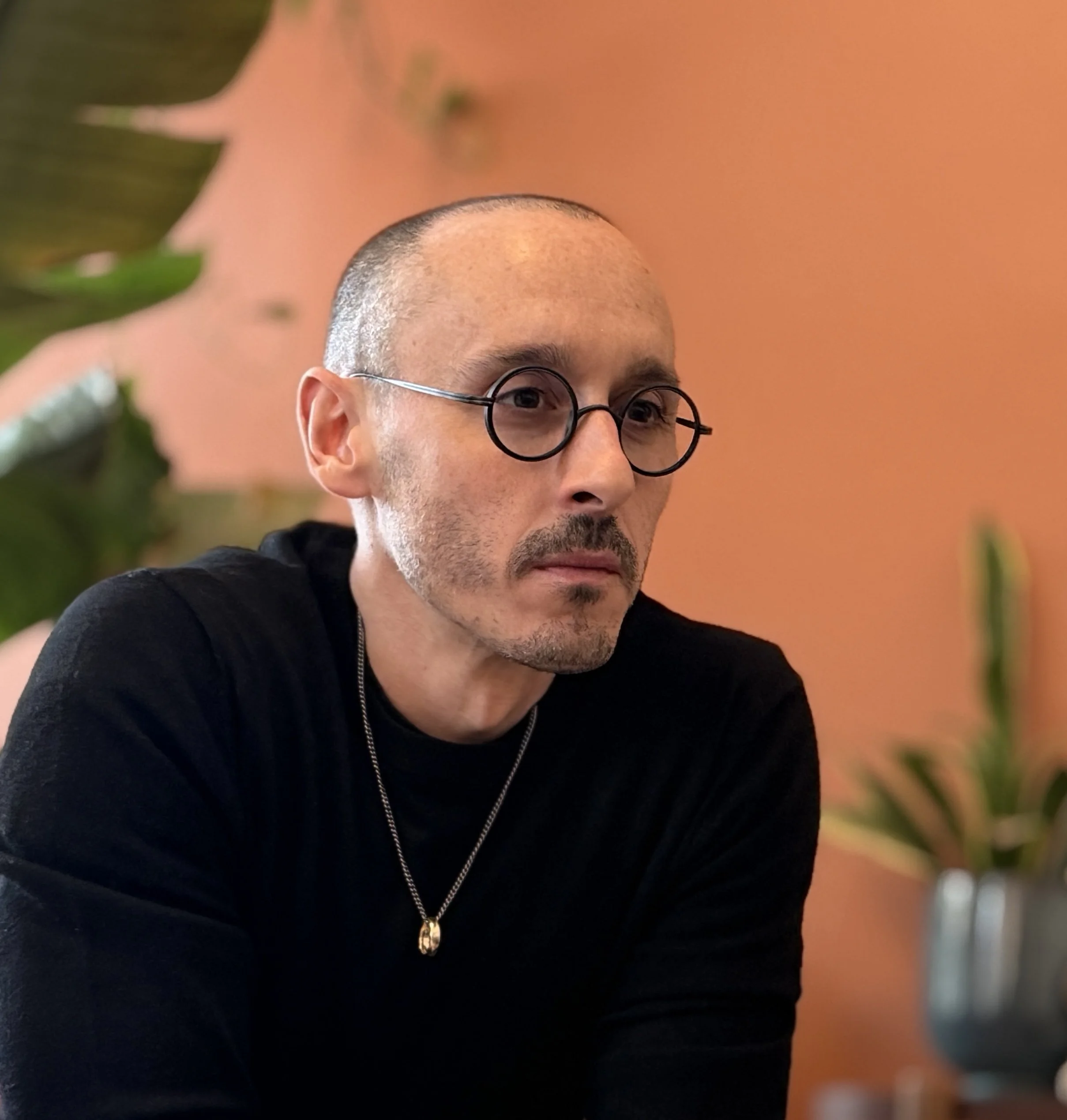
Julien Lacaille, PhD
I am a psychologist and member of the Ordre des psychologues du Québec, and I have been working with adults in psychotherapy for over 15 years.
I completed my PhD in Clinical Psychology at McGill University, where my research focused on psychological processes involved in mindfulness-based interventions. More broadly, I have remained interested in how psychological change happens—why some forms of understanding lead to meaningful change while others do not.
That interest has led me toward experiential, emotion-focused, parts-based, and somatic approaches to psychotherapy.
Interested in Working Together?
If what you’ve read seems relevant to what you’re looking for, you’re welcome to learn more about how to begin or get in touch.